

(This is about a different war though.)
I picked David McCullough’s 1776 up at a library book sale last year in anticipation of our semiquincentennial. Then I reprioritized it in my reading pile due to an upcoming presentation I’m giving and also because I had plans to visit Boston and Philadelphia.
To be honest, I kind of expected a rehashing of a lot of stuff I maybe already knew. (Not that I’m an expert by any means… but this war does pop up frequently in my presidential reading. It’s kind of a big deal.) Or being completely lulled into a stupor because — and I mean no disrespect — books about war kinda make my eyes glaze over. I get lost in the geography and maps and strategy, etc.
This was neither a rehashing nor a bore.
Flip through my sketchbook.
Then scroll through more doodles. As always, my doodles don’t necessarily highlight the most important parts of the book. And they are in no particular order. Certainly not chronological.
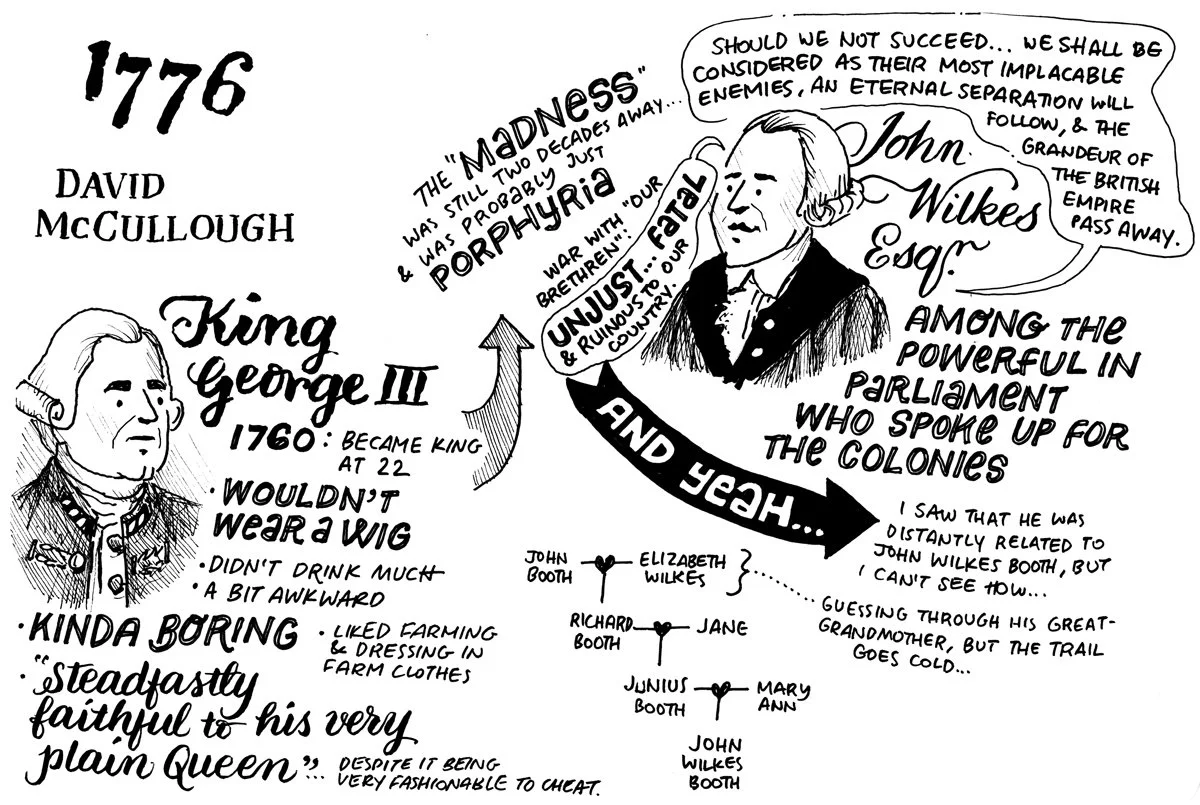
George and Wilkes
King George III
Became king at 22 in 1760
Didn’t drink much
Kinda awkward
Liked farming and dressing in farm clothes
Bit boring
“Steadfastly faithful to his very plain* Queen” (McCullough), despite it being fashionable to cheat
His “madness” was still two decades away and probably just porphyria
Check out these family trees to see where he falls in the royal family
*Seems like an unnecessary thing to add.
John Wilkes, Esq.
Honestly, I mostly doodled this guy because I wondered if he was related to John Wilkes Booth … the guy who assassinated Abraham Lincoln. John Wilkes Booth’s great-grandparents were John Booth and Elizabeth Wilkes. And I know his grandfather admired George Washington. (Maybe “admired” is too passive a verb. He made his guests bow to his George Washington portrait.)
This John Wilkes wasn’t really into the war with “brethren” and felt it “unjust ... fatal and ruinous to our country.” Not to mention “should we not succeed… we shall be considered as their most implacable enemies, an eternal separation will follow, and the grandeur of the British Empire pass away.”
Disappointingly (and also excitingly) a real-life Booth historian reached out when I posed the question: how exactly was John Wilkes related to John Wilkes Booth?
Elizabeth M. Reese answered: “I'm fairly confident that it's a family lore that’s not actually traceable. The record is very conflicting, some say it's through Richard, some say it's through Mary Ann Holmes. But considering much of the record around JWB was destroyed after the assassination, that could be part of the confusion.”
Damn.
But also — awesome!
Wilkes wasn’t the only British guy not jazzed about a war
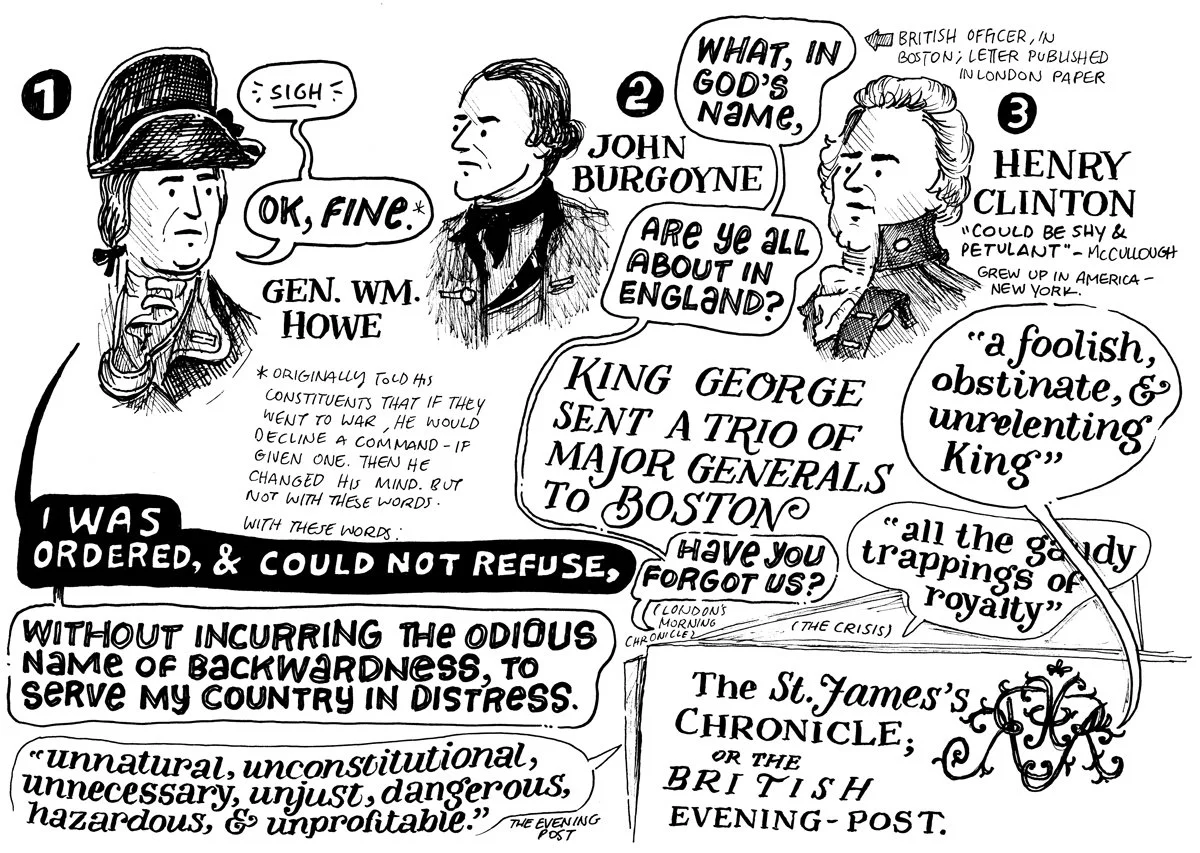
General William Howe told his constituents he’d decline a command if given to him. But then he was and gave in: “I was ordered, and could not refuse.”
A British officer in Boston asked in a letter published in a London paper: “What, in God’s name, are ye all about in England? Have you forgot us?”
The Evening Post called the whole thing “unnatural, unconstitutional, unnecessary, unjust, dangerous, hazardous, and unprofitable.” I was with them all the way to the end. Unprofitable? Gross.
There were complaints in the paper about “a foolish, obstinate, and unrelenting King.”
Solicitor General Alexander Wedderburn, on the other hand, declared: “Our thunders must go forth. America must be conquered.”
Prime Minister Lord North (a “blundering pilot”, according to Charles James Fox) said “we are prepared to punish, but are nevertheless ready to forgive.”
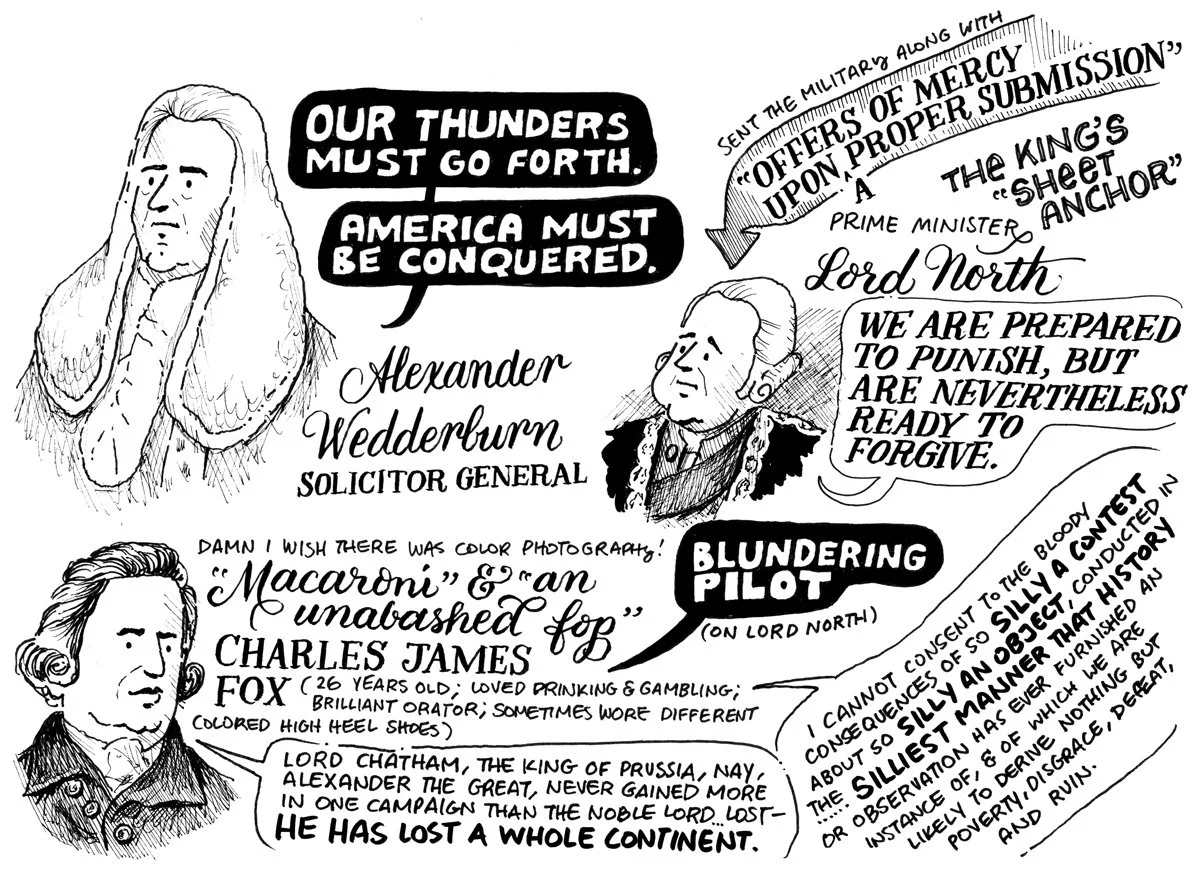
“Macaroni” Charles James Fox left me wishing for color photography. He was a 26-year-old brilliant orator, who sometimes wore different colored high heel shoes.
He believed “Lord Chatham, the King of Prussia, nay, Alexander the Great, never gained more in one campaign than the noble Lord lost — he has lost an entire continent!”
And also…
“I cannot consent to the blood consequences of so silly a contest about so silly an object, conducted in the silliest manner that history or observation has ever furnished an instance of, and of which we are not likely to derive nothing but poverty, disgrace, defeat, and ruin.”
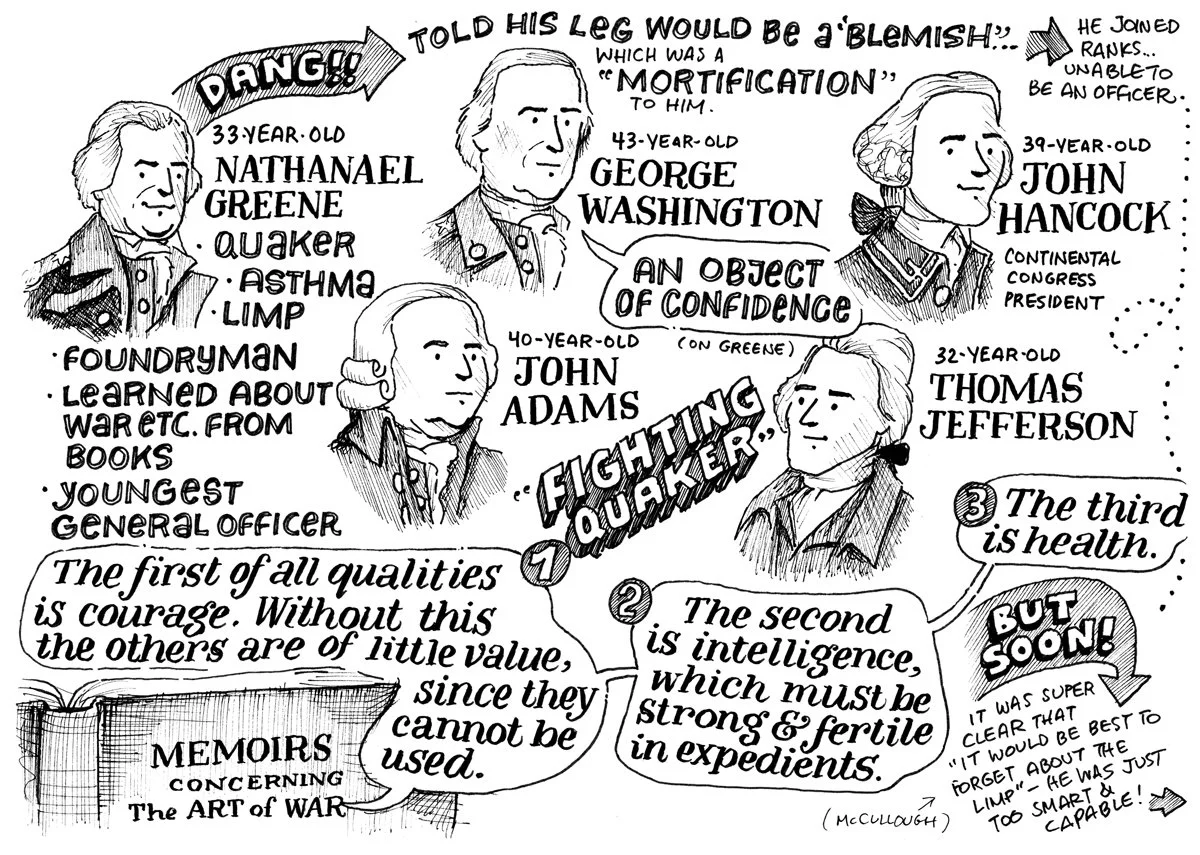
The rebels — so young!
Nathanael Greene — the asthmatic “fighting Quaker” who walked with a limp learned all about war from books. He was the youngest general officer, first turned away from the role because his leg would be a “blemish” but eventually it became clear that he was too smart and capable not to become an officer. (I’m sure it helped that he joined the ranks in the meantime.)
George Washington was only 43.
Continental Congress President John Hancock was a mere 39.
John Adams was 40.
And Thomas Jefferson just 32 years old.
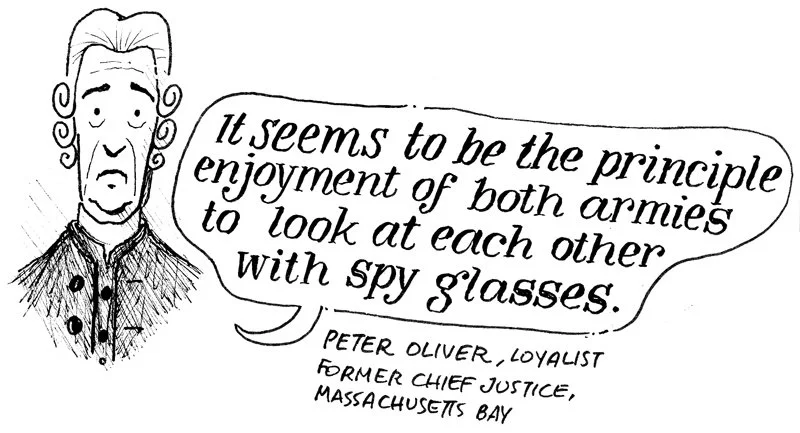
Peter Oliver
Loyalist and former Chief Justice made me giggle with his observation:
“It seems to be the principle enjoyment of both armies to look at each other with spyglasses.”
Knox’s injury
He mangled two of his fingers in a bird hunting mishap (his gun exploded!). That could have kept ruined his chance to be an officer, but it didn’t. He kept his hand hidden in a hanky going forward.
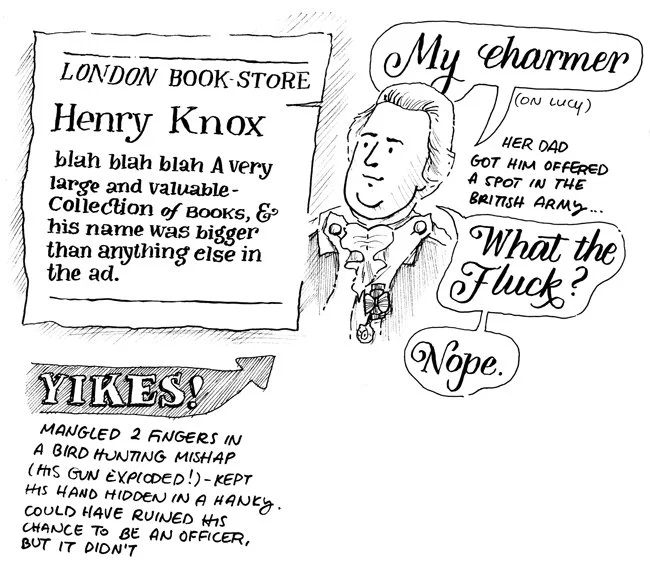
Also, in advertising for his bookstore, it’s like:
LONDON BOOK-STORE
Henry Knox
blah blah blah details details etc. etc.
Bible-faced Yankees
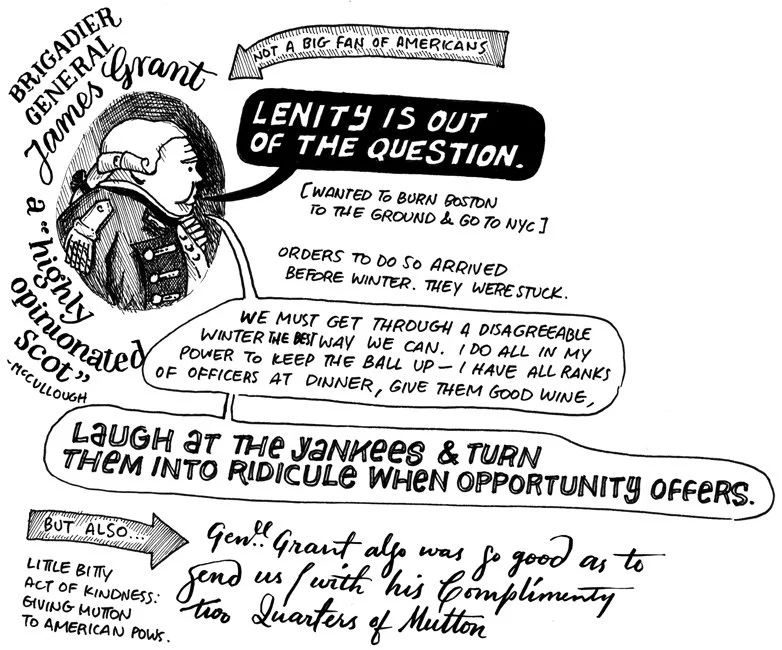
Image searches for Brigadier General James Grant vary wildly, but this is my favorite. And it’s in the book. This “highly opinionated Scot” (McCullough) was not a fan of Americans.
Stuck in Boston because he wasn’t able to burn it to the ground and get to NYC before winter, he was determined to “get through a disagreeable winter the best way we can.” This involved parties — with all ranks of officers and “good wine” and they they could “laugh at the Yankees and turn them into ridicule when opportunity offers.”
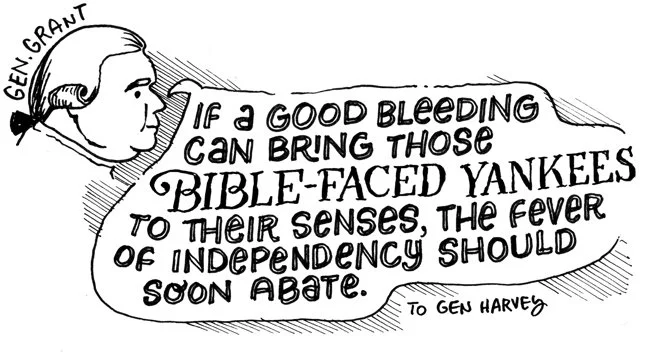
He believed “if a good bleeding can bring those Bible-faced Yankees to their senses, the fever of independency should soon abate.”
The better brother?
The eldest Howe brother was (in McCullough’s words) “remembered in New England as one of the bravest and best-loved British officers of all time.” George Augustus Lord Howe died in the French and Indian Wars.
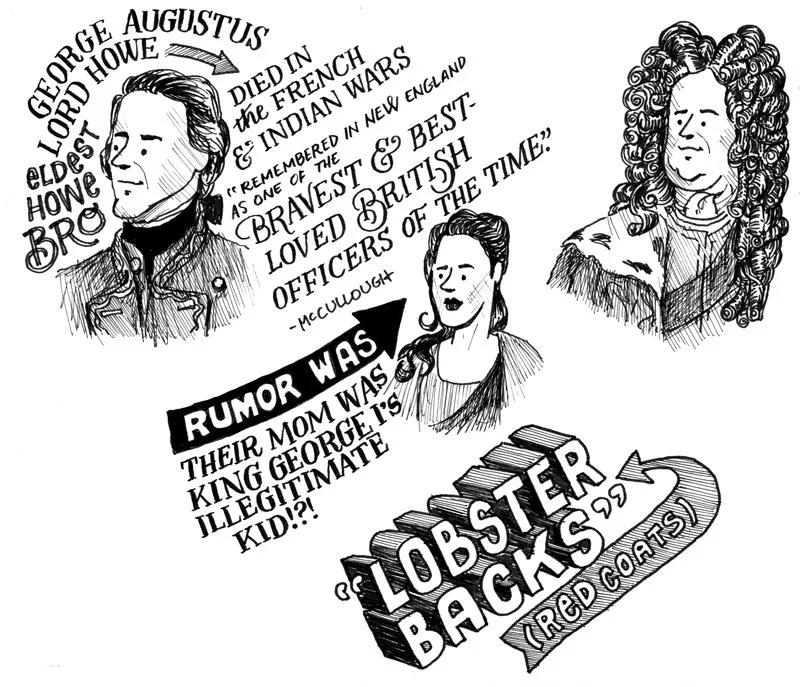
Rumor was that their mom was King George I’s illegitimate kid?! (Just a reminder: King George I wasn’t very popular and barely spoke English…but he was the “nearest Protestant” when they were looking for a new king. Sparkling resume!)

“Aged gentlemen”
Someone described the fossils serving in one Connecticut unit:
“They were 24 in number; and their united ages reached one thousand. They were all married men and left behind a hundred and fifty-nine children and grandchildren.”
Hilarious. I couldn’t wait to do the math and see how old these fogies were.
[ Instantly regretted my decision. ]
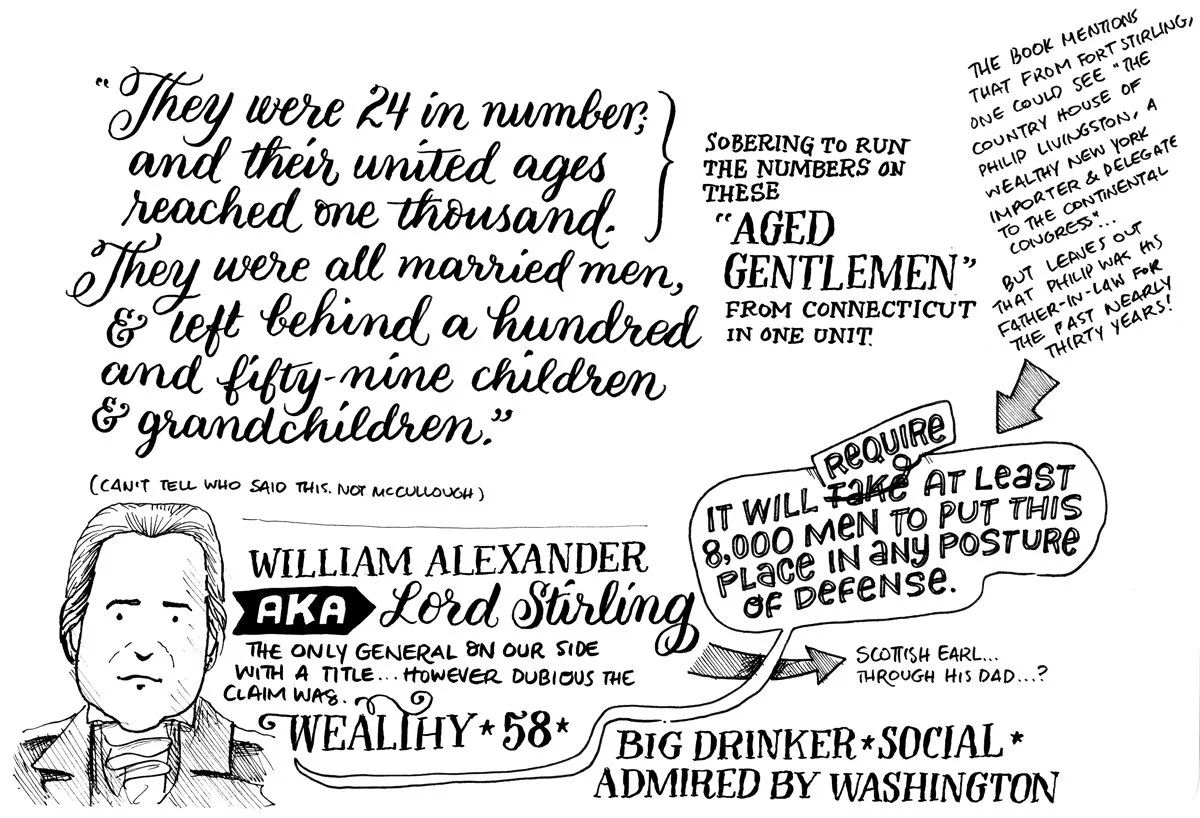
Lord Stirling
William Alexander was the only general on our side with a title... dubious though the claim was. In any case, the book mentions that from Fort Stirling, one could see “the country house of Philip Livingston, a wealthy New York importer and delegate to the Continental Congress.” But leaves out that Philip was his father-in-law for the past nearly thirty years.
(Unless this is a different Philip Livingston, which is entirely possible… but I don’t think so?)
In any case, I remember reading previously that his wife (Sarah Livingston Alexander, the Countess of Sterling or Stirling) used to join them at camp during the winter.

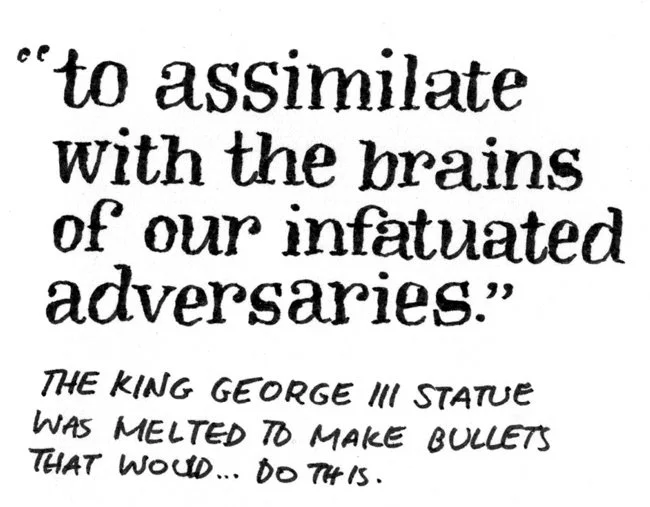
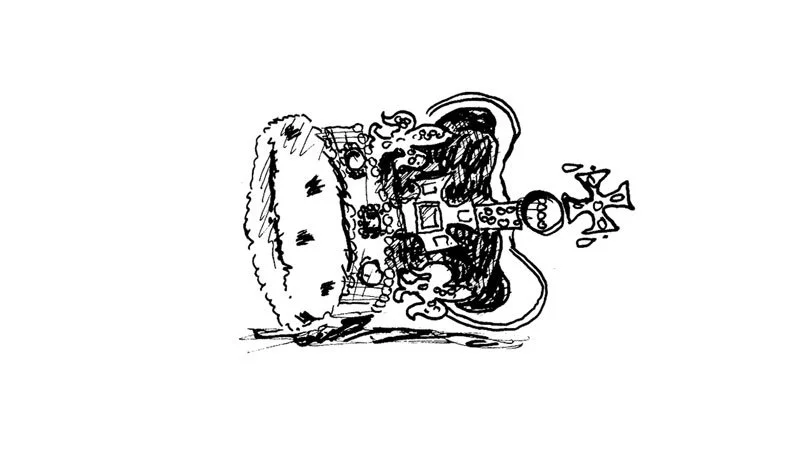
King George III was melted down for bullets
“…to assimilate with the brains of our infatuated adversaries.”
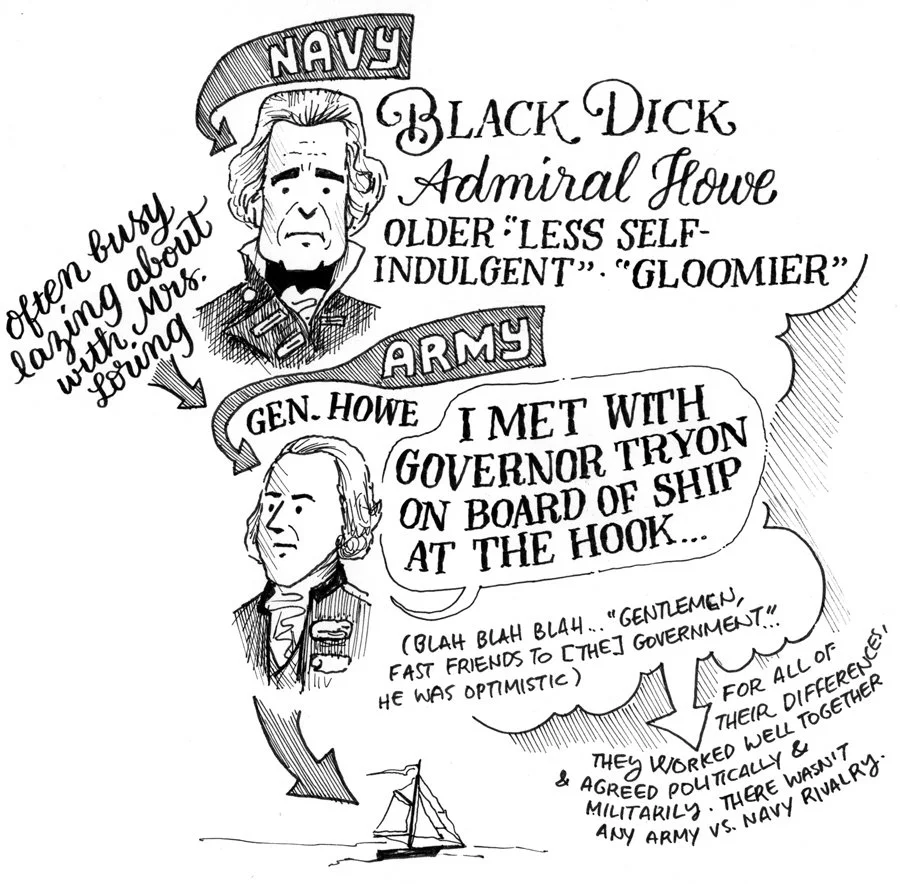
Howe Bros: a solid team
Sometimes, there can be a little army vs. navy rivalry. Not this time, though these guys were very different:
Admiral Howe (Navy) was “less self-indulgent” and “gloomier”
General Howe (Army) was often busy lazing about with Mrs. Loring (see also: more self-indulgent)
But they worked well together and agreed both politically and militarily.
The insolence…
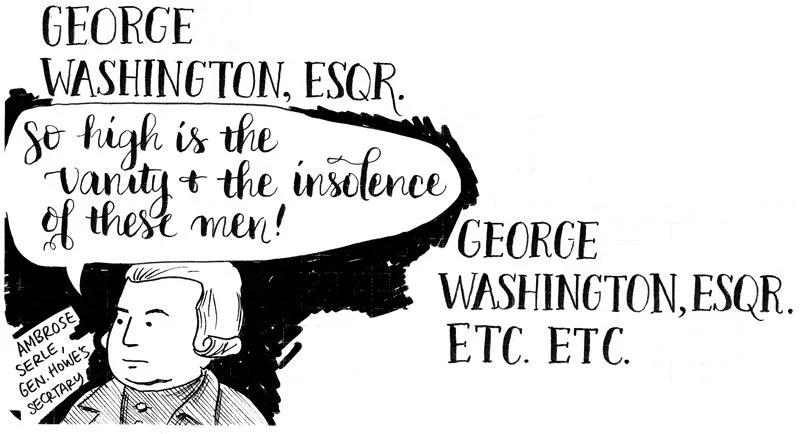
The British tried to deliver a letter to “George Washington, Esq.” but Joseph Reed wasn’t having it. “We have no such person in our army with that address.”
They refused to call him General Washington, instead trying again with “George Washington, Esq., etc., etc.”
General Howe’s secretary, Ambrose Serle, blustered in his diary “so high is the vanity and the insolence of these men!”
Makes me giggle every time.
You Never Forget Your First: A Biography of George Washington, by Alexis Coe
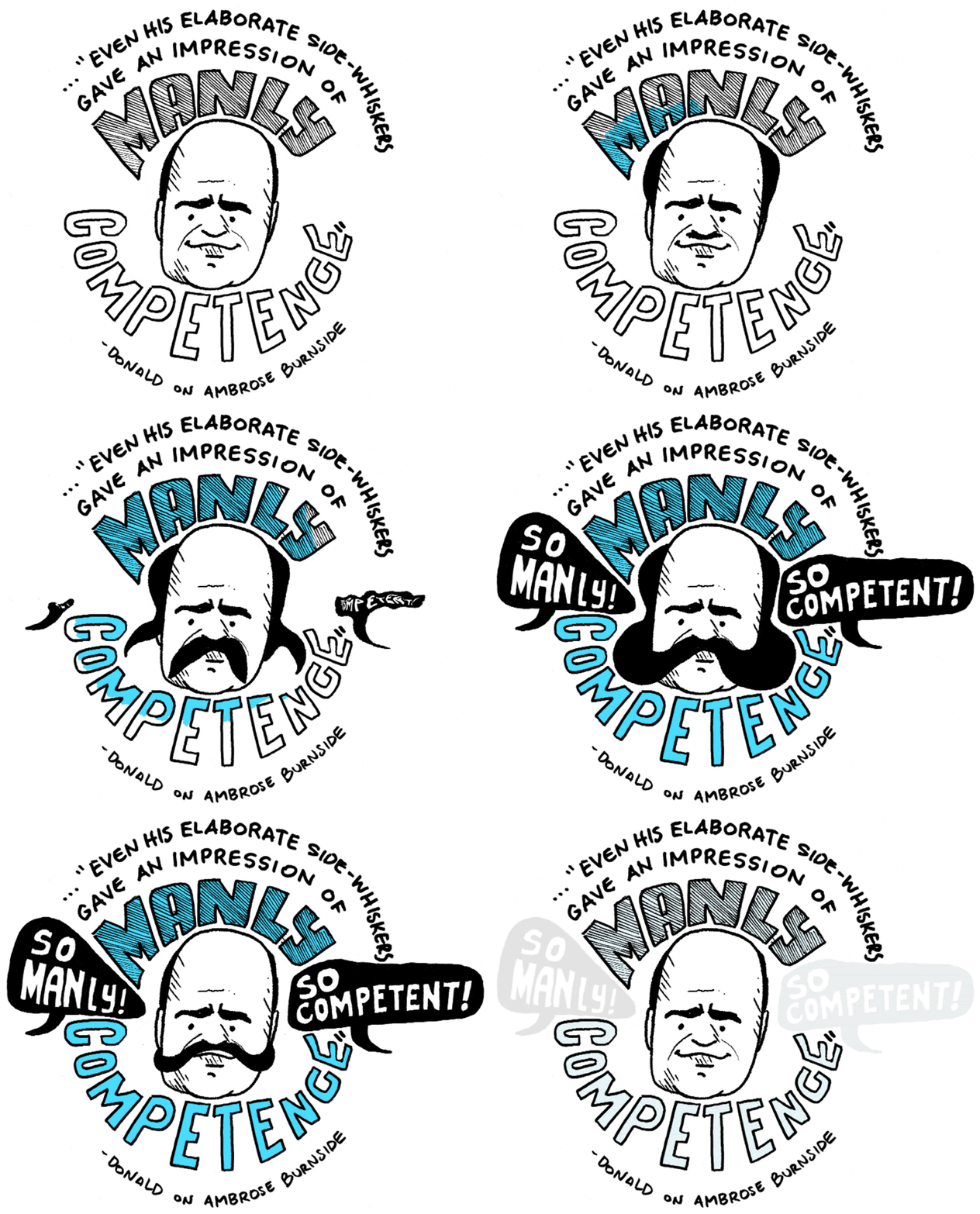
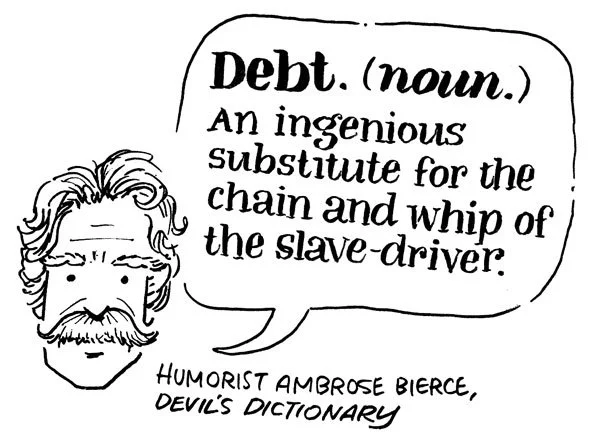
Looking for my old doodle of Ambrose Serle, I was surprised to find doodles of two other Ambroses:
You’re not going to believe this!
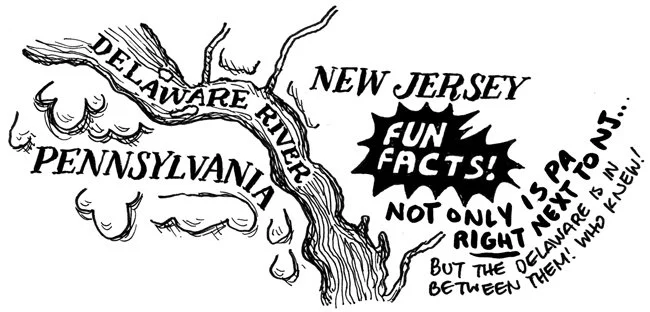
Pennsylvania and New Jersey are Right. Next. To. Each. Other. Like, Philly is super-close to New Jersey. And the Delaware River is between them!
It’s not just by Delaware!
I’m not even making this up.
Sure, it’s in lots of military maps I’ve come across, but as I already confessed — those bore me. It wasn’t until I actually visited Philly that I learned this very elementary geography lesson.
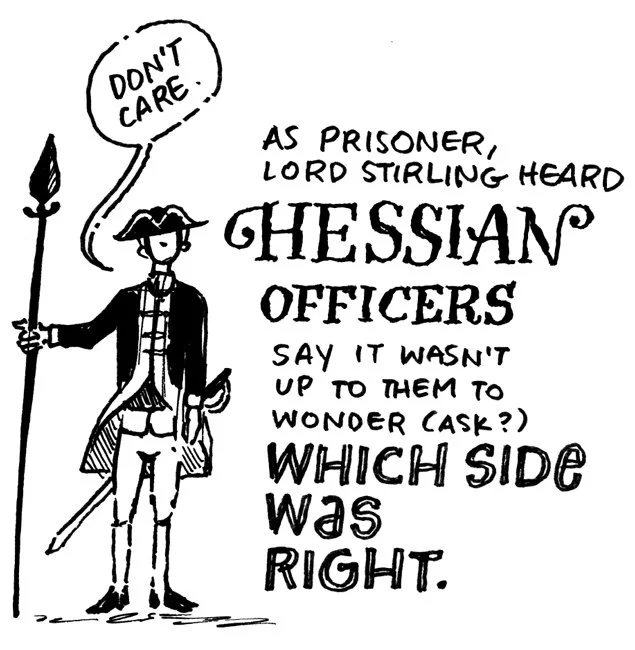
Hired Hessians soldiers…
… never wondered which side was right.
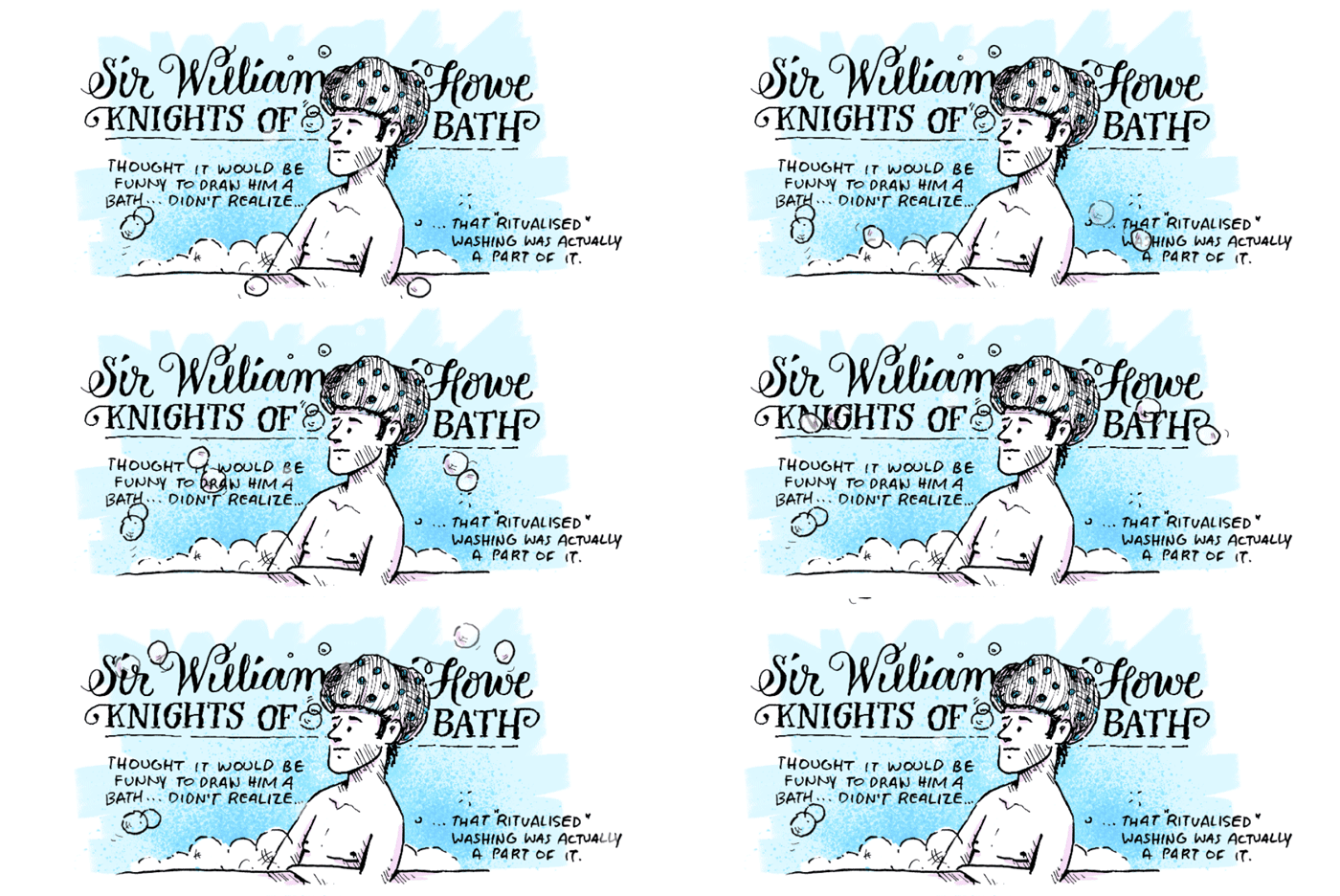
Knights of Bath
Thought I was being cute. Didn’t realize it actually involves a “ritualised process of washing”. Probably no bath cap, though.
Right?
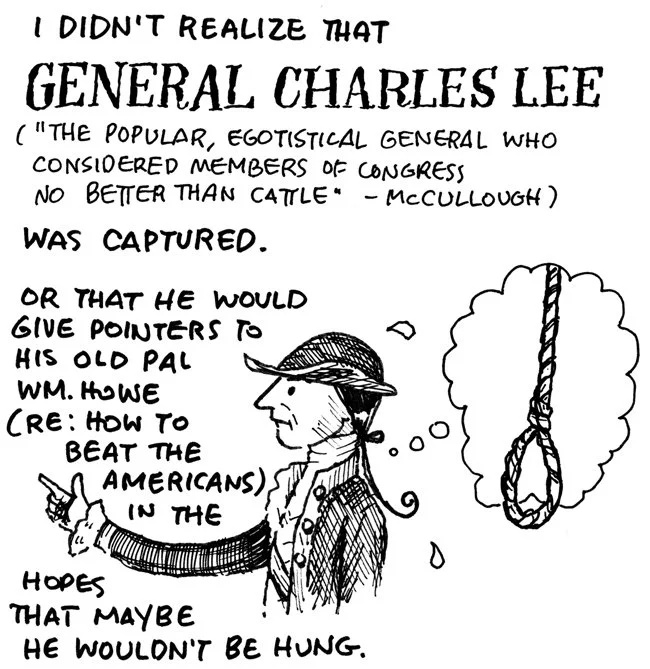
General Charles Lee was captured?!
And he gave his old pal General Howe tips on how to beat the Americans?!
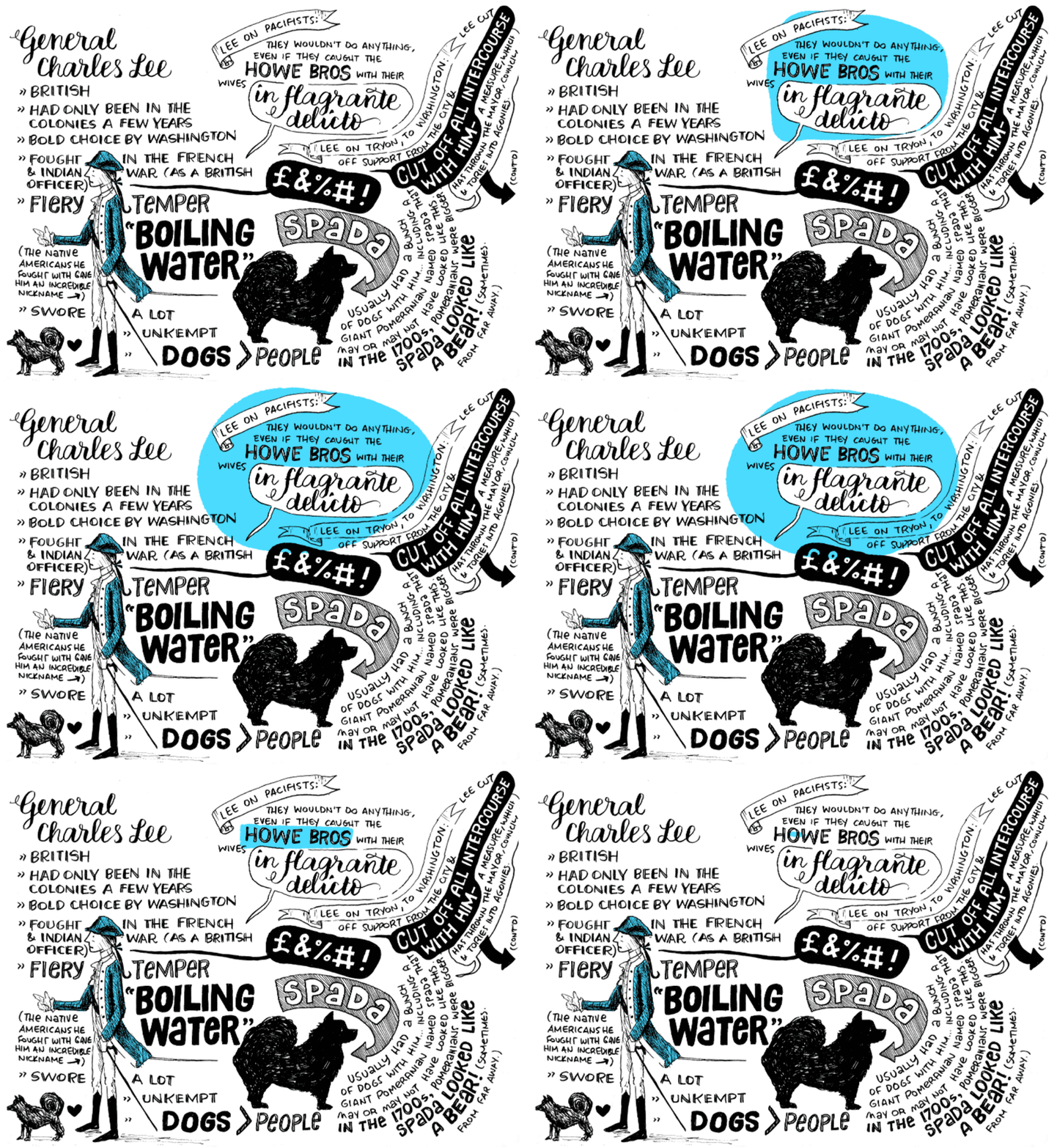
Gotta say… I liked him better last time he turned up:
The First Conspiracy: The Secret Plot to Kill George Washington, by Brad Meltzer and Josh Mensch
I don’t remember from my previous encounter that he was married to a Seneca chief’s daughter.
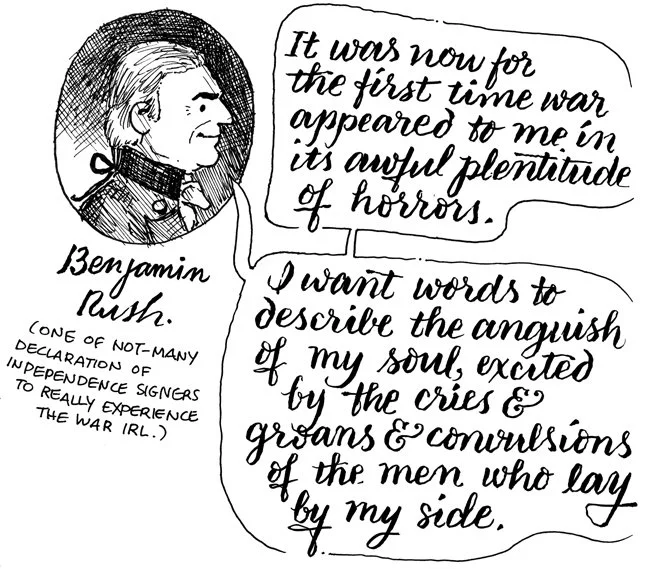
Awful plentitudes of horror
Dr. Benjamin Rush was one of not-many Declaration of Independence signers to really experience the war.
“It was now for the first time war appeared to me in its awful plentitude of horrors. I want words to describe the anguish of my soul, excited by the cries and groans and convulsions of the men who lay by my side.”
I imagine he didn’t look menacing when he reflected on it, as I’ve depicted him here for some reason.
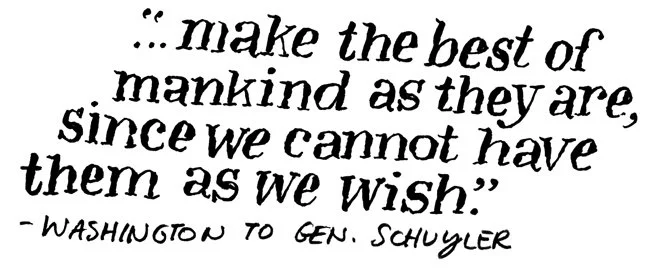
Make the most of mankind
Washington wrote to General Schuyler that they needed to:
“… make the best of mankind as they are, since we cannot have them as we wish.”
Have you read 1776?
Let me know what you thought in the comments below.
WANT MORE REVOLUTIONARY WAR DOODLES?
I’m giving a virtual presentation soon — Boiling Water, Tall Boy, Two Kettles Together, and The Old Puritan: Lesser Known Revolutionary War Figures.
More posts like this:










Mrs. Ex President T